Researching the history of a settlement
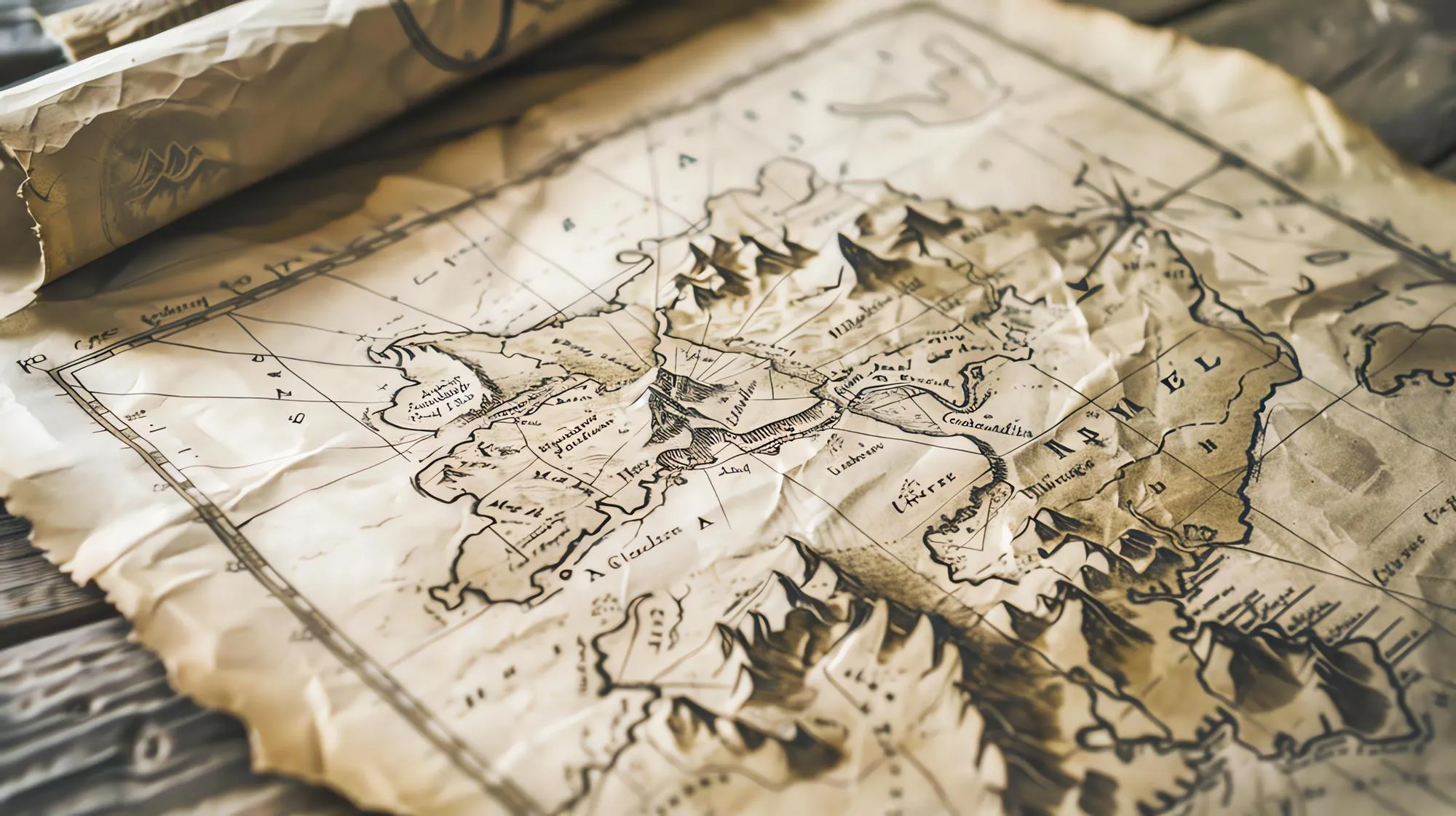
Writing the history of your native village or town involves addressing a number of issues:
-
01
- clarification of geographical location;
- studying the history of the settlement from ancient times to the present day;
- research into the history of the population and prominent figures;
- research on economics and management;
- collection of documents on the history of the settlement in archives and libraries;
- studying the historical and cultural heritage of the settlement.
The collected material can be published in book form.
You can order the history of your village or city from us.
We cooperate with united territorial communities.
The cost of the work is negotiable.
-
02
Sample village history research
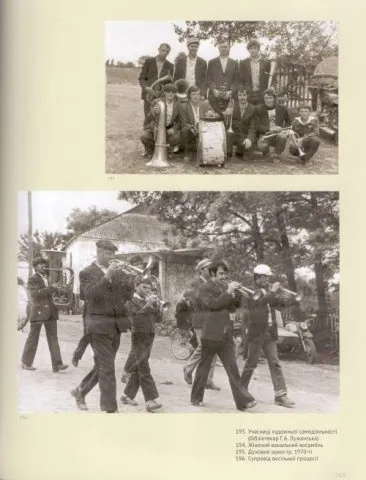
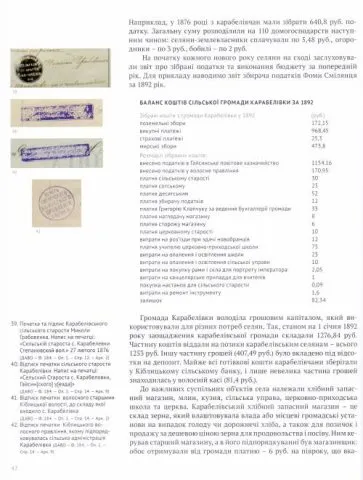
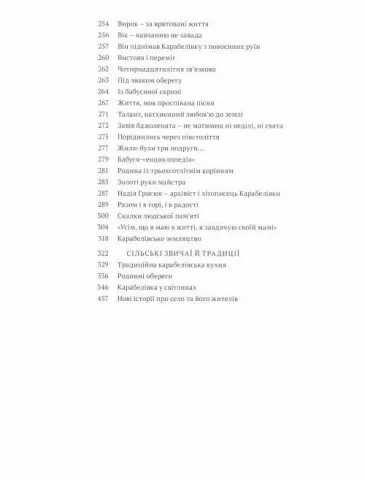
Our team took part in writing the history of the village of Karabelivka, Teplytskyi district, Vinnytsia region. The result of the project, which lasted about two years, was the publication of the book «Karabelivka: the land of our ancestors – the land of our descendants» (Kyiv, Rodovid Publishing House, 2015. – 466 p.).
The research phase of the work lasted about a year, during which time we:
- They searched for and studied literature related to the history of the village and its surroundings from ancient times to the present day.
- We reread local periodicals – district newspapers, the collective farm multi-print magazine «Harvest».
- We conducted search work and processed documents in the State Archives of Vinnytsia Oblast, the State Archives of Khmelnytsia Oblast, the Central Historical Archive of Ukraine in Kyiv, and the Archive of Ancient Acts in Warsaw.
- We made an expedition to Karabelivka, where we got acquainted with the peculiarities of the village's development, visited local attractions, talked with local residents, and conducted interviews with old-timers of the village.
As a result, a huge layer of materials was accumulated, which were used to write essays on the history of Karabelivka. Unique documents were found in the archives - about the first mention of the village in the 17th century, protocols of the village community meetings of the 19th century with personal signatures of Karabelivka residents, and many others.
Experienced photographers came several times a year (summer, autumn and winter) to photograph the village, its inhabitants, the surroundings and the surrounding nature. Professional equipment and working skills allowed us to create a selection of wonderful photographs that reveal the beauty of the local nature and people, and capture the everyday and special pages of the village's everyday life.
The work of professional designers and layout artists, high-quality printing, and materials made the book respectable and one that makes you want to open and read it.
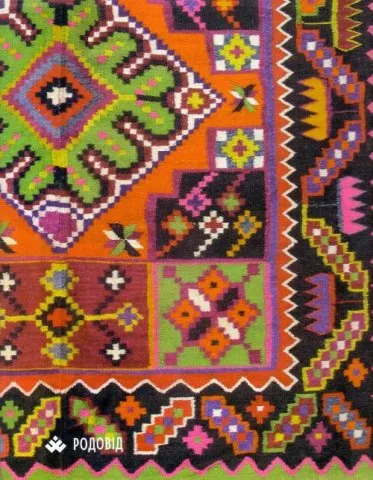
Below are a few pages from the book:


-
03
Researching the history of a village or city
SEQUENCE OF PROCESSING HISTORICAL REFERENCE OF A CITY/VILLAGE
1. TITLE (processed by a geographer, historian)
- today's
- administrative subordination (region, district)
- historical names (during existence)
- etymology of the name (worked out by a philologist)
2. LOCATION (geographer, economist-geographer)
1) Natural location
- altitude
- latitude and longitude
- description of the landscape (mountains, plains, forests, bodies of water, etc.)
- minerals
2) Settlement in the communication system
- main local functions (throughout existence)
- settlement in the settlement system
3. PROTO-SETTLEMENT (archaeologist, historian)
1) archaeological finds
2) prehistoric settlements (pre-Slavic and early Slavic)
3) early rural, defensive and trading settlements on the territory of the city/village
- location relative to the current state
- planning, defense and other structures
- time of existence
4. FOUNDATION, FORMATION AND GROWTH OF A CITY/VILLAGE (historian, local historian, architect)
1) time of foundation, who is the founder
2) granting rights: submit documents that granted the city/village the status of villa, civitas, oppidum, civess, etc.)
3) expansion or reduction of privileges
4) development of legal status in different historical periods (including the present)
5. CITY / VILLAGE AS A SETTLEMENT (architect, historian, local historian)
1) establishment and development of the settlement
- layout (street network, main streets, squares, town hall, defensive structures of the city/village: towers, walls, ramparts, defensive sacral structures and other structures) – from the foundation to the present day
- stages of city/village expansion: old center, suburbs, new neighborhoods, city relocation, “new city/village”, etc.
- sociotopography
2) buildings:
a) sacred
- churches, monasteries (time of construction, expansion, reconstruction, reconstruction, changes in fixation - until today)
church, synagogue, mosque, house of prayer (where exactly)
b) public:
- hospital, school, gymnasium, government buildings
- factories, enterprises, etc. (non-existent ones should also be taken into account)
3) fires and natural disasters (date, result, destroyed buildings)
4) the consequences of the First and Second World Wars
6. POPULATION (historian)
1) origin, social composition (by eras of development)
- peasants (their categories), small and medium nobility
burghers, suburbanites, artisans, workshops
migration, resettlement, genocide
2) epidemics (dates and number of victims)
3) population censuses: city and village books, church registers and monuments (date, name)
4) famous families and clans, prominent persons (from ancient times to the present day)
5) number of inhabitants (total by year)
6) cemeteries (the time of their existence)
7. LANGUAGE (philologist)
- local language, dialectal influences
- official language
8. ECONOMICS (economist-geographer, historian, local historian)
1) general directions of economic development of the city/village in history (maintenance of transport routes and transits, salt, oil, potash, waterways warehouses, trade)
2) Production facilities (factories, trading houses) from the beginning of industrialization (quarries, mills, breweries, manufactories, etc.)
3) Trade shows, fairs, exhibitions
- time of holding
- geography of trade relations
- modern auctions and exhibitions
4) organization of trade and industry (crafts); monetary institutions
- workshops
- savings banks, institutions, banks, credit unions
5) communication and connection
- main historical trade routes
- railway (station, distance from the city)
- car and bus connections, train stations
- resort industry, tourism
- mail, telephone
6) external links
9. LAW AND ADMINISTRATION (historian, local history scholar)
1) community law (grant, confirmation, years of administration, number of directors), customary law
2) self-government and management (including the present)
3) parties, elected bodies, distribution of mandates (including the present)
10. LEGAL AUTHORITY OF THE CITY/VILLAGE
- to the land, principality, volost, state
- to the city
- to the landowner (landlord, count, nobleman, tenant! etc.)
11. Troops and military events
1) urban/rural military and defense organization
- strategic importance of the settlement (to the present day)
- troops stationed
- attacks
- military garrison
2) defense companies (arsenals, organizations)
3) important military events, participation in them of the local population
12. SEAL, COAT OF ARMS, COLORS OF THE CITY/VILLAGE (heraldist-historian, local historian, historian)
13. FINANCE (historian)
- monetary unit, coins (to the present day)
- city taxes
- road tolls, land taxes, etc.
14. CITY/VILLAGE TERRITORY (geographer, historian, architect)
1) area (total, topography)
2) wastelands (abandoned settlements)
3) historical ownership of lands (property of burghers, peasants, mayor, starosta, church, cathedral, landowner; historical tracts and events associated with them)
4) appropriation of other territories by the city/village (or vice versa)
15. RELIGIOUS ORGANIZATION (the time of existence of religious denominations and organizations) (historian)
- Eastern Rite (Orthodox and Greek Catholic Church)
- Western rite
- Jews
- other religions and sects
16. STRUCTURE OF SOCIAL SECURITY AND CARE (historian, architect)
- city hospitals, charitable societies, rural medicine
- orphanages, kindergartens, summer institutions, charitable organizations
- water supply, sewage, heating, gasification, electrification
- parks, boulevards, recreation areas
17. EDUCATION (historian)
- primary and secondary education
- colleges, universities, scientific institutions
- theaters, musical institutions, cultural institutions
18. BOOKS, MAGAZINES, NEWSPAPERS (for cities) (historian)
- book publishing
- publishing of newspapers and magazines
- bookstores
19. MATERIALS ON THE HISTORY OF THE CITY/VILLAGE
- sources
- general works, monographs, bibliographic indexes, etc.
20. COLLECTIONS AND OTHER SCIENTIFIC INSTITUTIONS
- archives
- libraries
- museums
- private collections
Do you have any questions or are you ready to provide source data for the study for analysis? Call us or leave a request on the website:
Other company services

Family Genealogy and Ancestry Research

Researching the history and origin of the surname

Historian consultation

Translations of ancient documents
Genealogical trips to ancestral places
Research on the history of institutions, organizations and enterprises
Lectures on history and genealogy